
Troubleshooting Scent Loss and Plant Health
Nothing frustrates a beginner gardener more than purchasing a wonderfully smelling plant from the nursery, only to have it lose its fragrance entirely after a few weeks at home.
If your garden smells begin to fade, your plants are communicating that their environmental conditions are out of balance. By reading the physical signs, you can adjust your care routine and coax the aromas back to life.
Lack of sunlight stands as the primary culprit for scent loss. Volatile organic compounds require solar energy to synthesize and heat to evaporate into the air.
If you place a sun-loving plant like rosemary or a blooming rose in heavy shade, the plant simply will not generate the necessary energy to produce essential oils or complex floral perfumes. The plant may survive, but it will remain functionally odorless.
Move underperforming aromatic plants to the sunniest spot available on your patio.
Overwatering ranks closely behind lack of sun. When you drown the root systems of drought-tolerant herbs, the plant cells become bloated with excess water.
This physical bloat dilutes the essential oils stored within the leaf structure. A lavender plant sitting in soggy soil will smell like wet grass rather than its namesake fragrance.
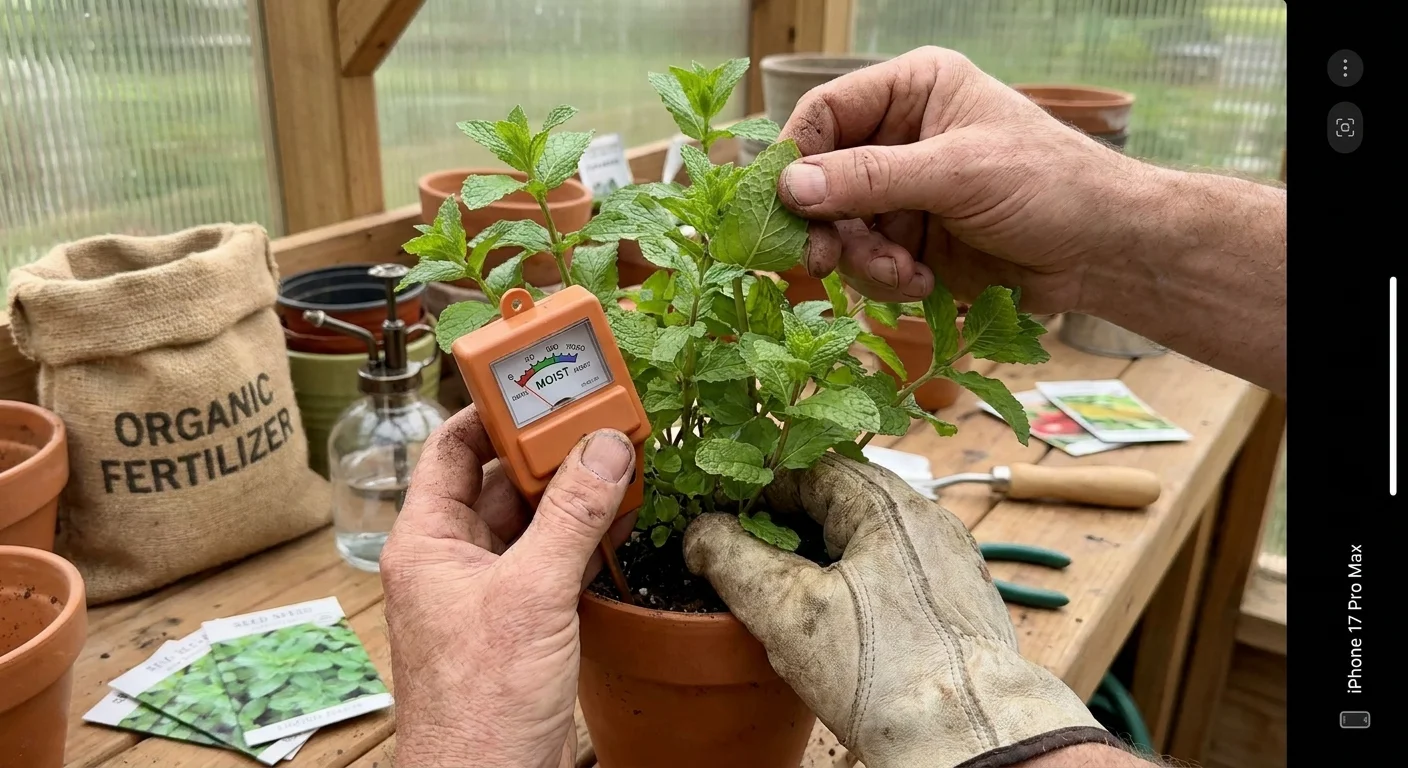
To fix this, stop watering immediately. Check the soil moisture using your index finger; push it two inches into the dirt.
If it feels wet, walk away. Wait until the soil dries out considerably before offering another drink.
Mild, temporary water stress actually forces these specific plants to hyper-concentrate their oils.
Finally, inspect your plants for signs of root-bound stress. If a plant lives in the same small container for too long, the roots wrap endlessly around the inside of the pot, forming a dense, impenetrable mat.
Water and nutrients simply run down the sides of the pot rather than penetrating the root ball. A starving, dehydrated plant abandons scent production.
Gently slide the plant out of its pot; if you see a thick wall of white or brown roots circling the bottom, it is time to repot the plant into a container that is two inches wider, using fresh, nutrient-rich potting soil.
Frequently Asked Questions
Do fragrant plants need more water than non-fragrant plants?
No, a plant’s water requirement depends entirely on its native origin, not its scent profile. Fragrant Mediterranean herbs like lavender and rosemary actually require significantly less water and prefer dry conditions.
However, heavy-blooming fragrant florals like roses and jasmine require consistent moisture to support the massive energy output needed to create large, perfumed blossoms.
Can I mix different scented plants in one pot?
Yes, you can absolutely mix scented plants, provided they share the exact same sunlight and watering requirements. For example, pairing rosemary and lavender in one large container works brilliantly because both thrive in full sun and fast-draining, dry soil.
You should never mix a moisture-loving plant like mint with a drought-tolerant plant like lavender, as one will inevitably perish.
How do I keep my patio smelling good year-round?
Achieving year-round fragrance requires succession planting. Design your containers so that different plants peak in different seasons.
Rely on dwarf lilacs and sweet alyssum for spring smells, transition to jasmine and roses for summer perfumes, and lean on the evergreen, cold-hardy foliage of rosemary to provide continuous aromatic structure throughout the crisp autumn and winter months.
What is the best fragrant plant for a balcony in full shade?
While most intensely fragrant plants demand full sun, a few shade-tolerant options exist for darker balconies. Lemon balm performs exceptionally well in partial to full shade, offering a bright citrus scent through its foliage.
Certain varieties of mint also tolerate significant shade. For flowers, consider planting sweet box or specific varieties of hostas that produce surprisingly sweet-smelling, lily-like blooms in low-light conditions.
Why did my sweet alyssum stop smelling mid-summer?
Sweet alyssum often slows down its blooming and loses its scent during the most extreme heatwaves of mid-summer, a phase known as heat dormancy. The plant is exhausted.
Revive it by taking a pair of scissors and giving the entire plant a severe haircut, removing the top half of the foliage and spent blooms.
Water it deeply, and as temperatures slightly cool, it will push out a fresh, highly fragrant carpet of new flowers.
Disclaimer: This article is for informational purposes only and is not a substitute for professional gardening advice. Always consult local extension services or horticulture experts for region-specific guidance.
Interesting information! Thank you, Darlene