
Container Soil Basics for Scented Plants
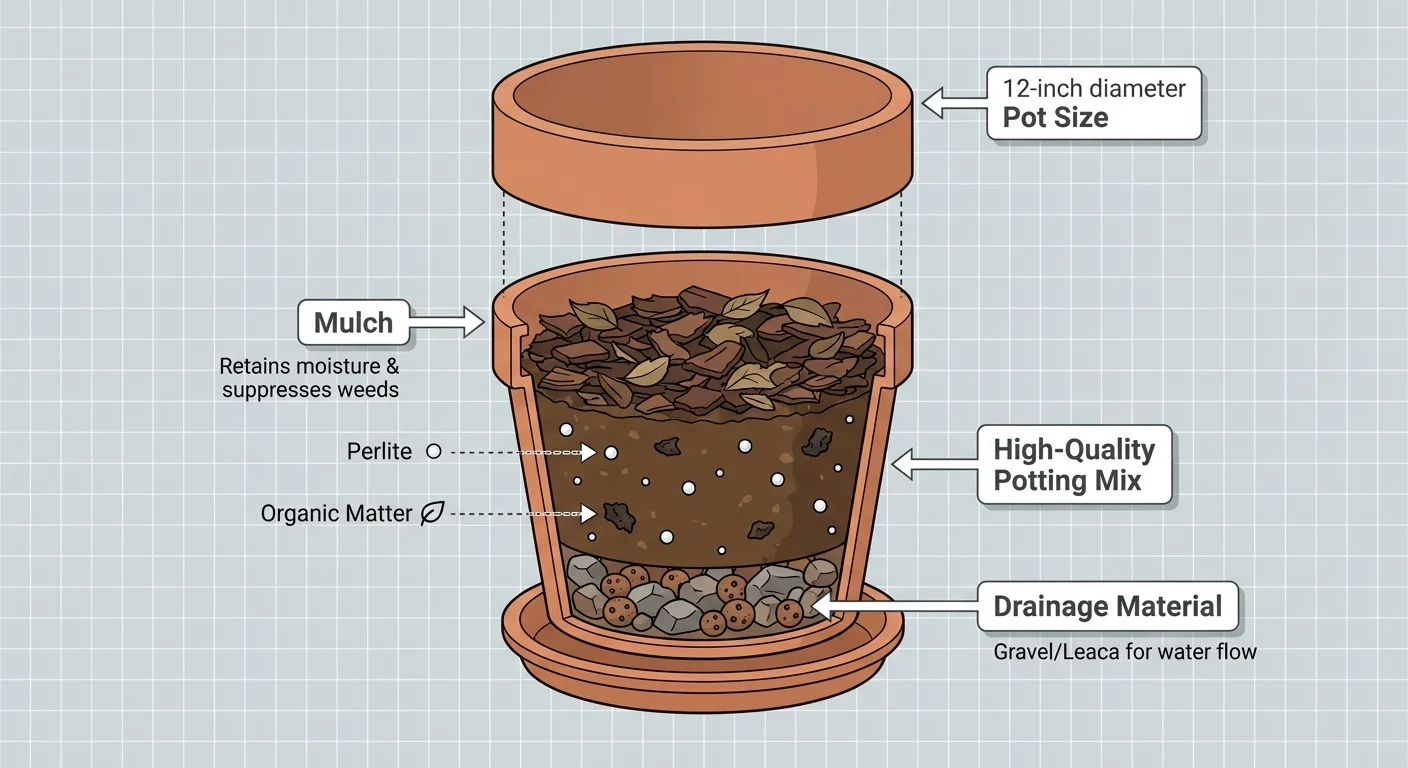
The foundation of any successful sensory gardening project lies below the surface. A common and disastrous mistake beginner gardeners make is digging up dirt from their backyard and putting it into a pot.
Garden soil compacts terribly inside containers, choking the roots and completely halting the production of essential oils. You must use a specialized potting mix designed for aeration and drainage.
Different aromatic plants require vastly different soil conditions to maximize their scent profiles. A plant sitting in the wrong soil structure will suffer from root stress, and a stressed plant prioritizes basic survival over producing the complex compounds that create lovely garden smells.
| Plant Category | Primary Scent Source | Ideal Soil Composition | Moisture Requirement |
|---|---|---|---|
| Mediterranean Herbs (Lavender, Rosemary) | Foliage / Needles | 50% Potting Soil, 30% Perlite, 20% Coarse Sand | Allow to dry out completely between waterings; prefers lean soil. |
| Heavy Florals (Roses, Lilac) | Blossoms | 70% Rich Potting Soil, 20% Compost, 10% Perlite | Keep consistently moist but well-drained; heavy nutrient needs. |
| Moisture Lovers (Mint, Lemon Balm) | Foliage | 80% Potting Soil, 20% Coconut Coir or Peat Moss | Prefers constant slight moisture; do not let dry entirely. |
| Trailing Annuals (Sweet Alyssum) | Blossoms | Standard all-purpose potting mix | Water when the top inch of soil feels dry to the touch. |
Always inspect your containers before planting. Ensure the pots have at least one large drainage hole at the bottom.
If water cannot escape, it pushes all the oxygen out of the soil. Roots need oxygen to breathe; without it, they develop root rot, a fungal disease that emits a foul, swampy odor that will completely ruin your sensory gardening experience.
Elevate your pots on small terracotta feet to ensure excess water drains freely away from the base.
Eco-Friendly Practices for Growing Fragrant Flowers
Cultivating garden smells organically directly enhances the potency of your plants. Synthetic chemical fertilizers often dump massive amounts of fast-acting nitrogen into the soil.
While this forces the plant to push out a massive amount of green foliage incredibly quickly, that rapid growth dilutes the essential oil concentration.
A conventionally fertilized lavender plant will look huge and green but will smell surprisingly weak compared to a plant grown using organic, sustainable methods.
Embrace slow-release organic nutrition to build robust, highly scented plants. Top-dress your containers with a thin layer of worm castings or organic compost twice a year.
You can also brew a simple compost tea by steeping a handful of compost in a bucket of water overnight and using the resulting liquid to water your plants.
This introduces beneficial microbes to your container soil, which form symbiotic relationships with plant roots, helping them extract trace minerals that are vital for creating complex fragrance compounds.
Avoid using chemical pesticides under any circumstances in your sensory gardening space.
The whole purpose of highly fragrant flowers is to attract pollinators; spraying toxic chemicals on sweet alyssum or lilac blossoms actively harms the local bee and butterfly populations you just invited into your yard.
Furthermore, chemical residues leave behind harsh, synthetic odors that clash with the natural perfumes of your plants.
If aphids attack your roses, use a strong blast of water from a hose to knock them off, or apply a gentle, organic insecticidal soap directly to the affected leaves.
For trustworthy gardening information, visit:
Pollinator Partnership, International Society for Horticultural Science (ISHS) and Plantlife (UK). These organizations provide expert, research-based advice for gardeners at all levels.
Conserving water also plays a major role in sustainable gardening. Install a simple drip irrigation system attached to a timer for your balcony or patio pots.
Drip systems deliver water directly to the root zone with zero evaporation, ensuring your water-loving fragrant plants like mint and jasmine stay hydrated without wasting a single drop.
Grouping plants with similar water needs in the same container—a practice known as hydro-zoning—further maximizes your watering efficiency.
Interesting information! Thank you, Darlene