
The Mechanics Behind Sensory Gardening
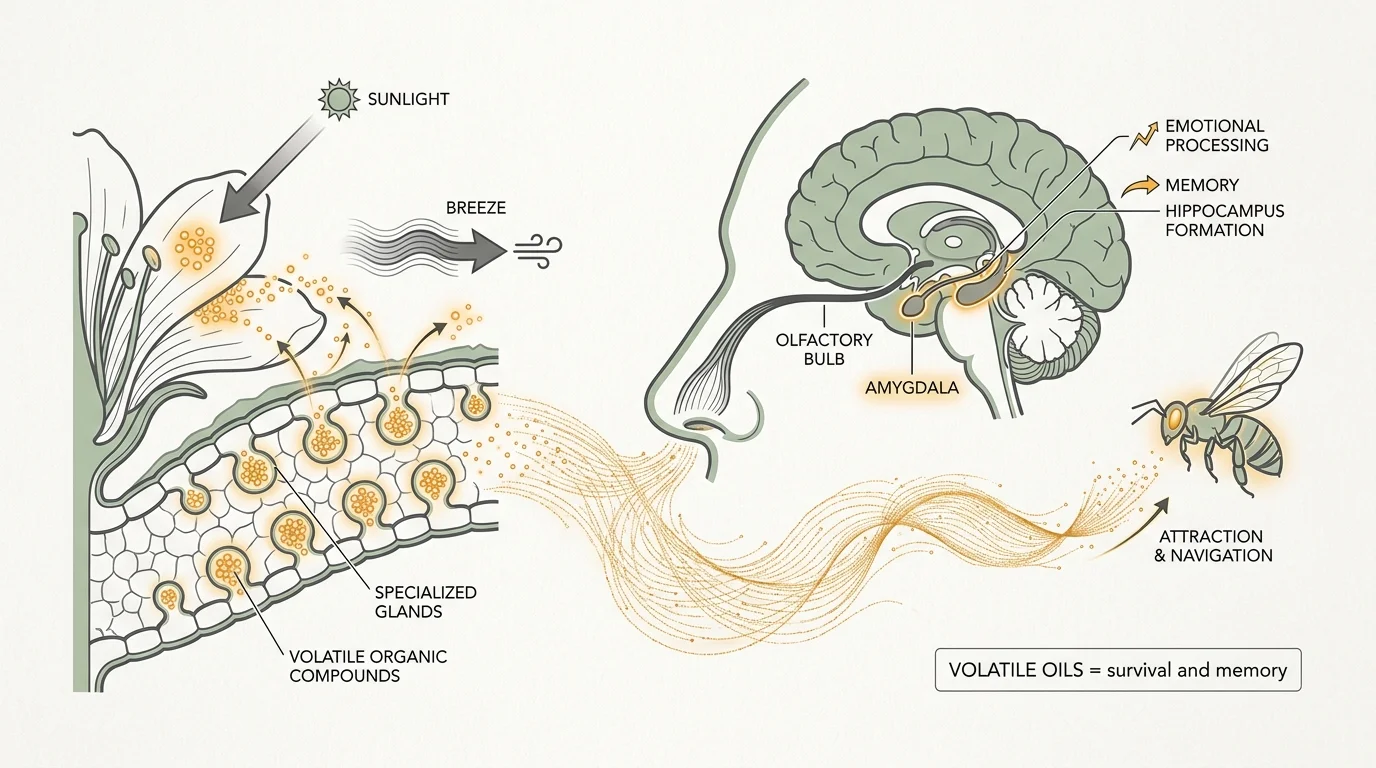
To truly master sensory gardening, you first need to understand how plants produce and release their aromas. Plants generate complex chemical compounds known as volatile organic compounds.
These microscopic molecules rest within specialized glands on the surfaces of leaves, stems, and flower petals. When the sun warms the plant, or when a gentle breeze rustles the foliage, these glands release the volatile organic compounds into the surrounding air.
This mechanism exists primarily to ensure the survival of the plant; the alluring smells attract essential pollinators like bees, butterflies, and hummingbirds, while simultaneously deterring hungry pests.
To enjoy these therapeutic benefits year-round, you can even create a mini indoor sensory garden to keep your spirits high during the winter months.
Your ability to perceive these fragrances depends heavily on your local environment. Temperature and humidity play massive roles in how smells travel across your backyard or balcony.
Warm, humid air traps fragrance molecules, making floral scents smell incredibly dense and heavy during a summer evening. Conversely, cool, dry air disperses these compounds quickly.
If you garden on a high-rise balcony exposed to stiff winds, the volatile oils from your plants might blow away before you ever get the chance to enjoy them.
Creating a thriving aromatic space requires managing these environmental factors to trap and concentrate the smells right where you sit.
Integrating scented plants into your daily routine offers tangible physical and psychological benefits. The olfactory bulb in your brain connects directly to the amygdala and hippocampus—the regions responsible for emotion and memory.
Brushing your hand against a rosemary bush or catching the sweet drift of jasmine triggers an immediate neurological response. Research consistently shows that specific botanical aromas lower cortisol levels, reduce heart rates, and alleviate symptoms of anxiety.
By carefully selecting your plant palette, you build a functional, living apothecary tailored specifically to your emotional needs.
Interesting information! Thank you, Darlene