
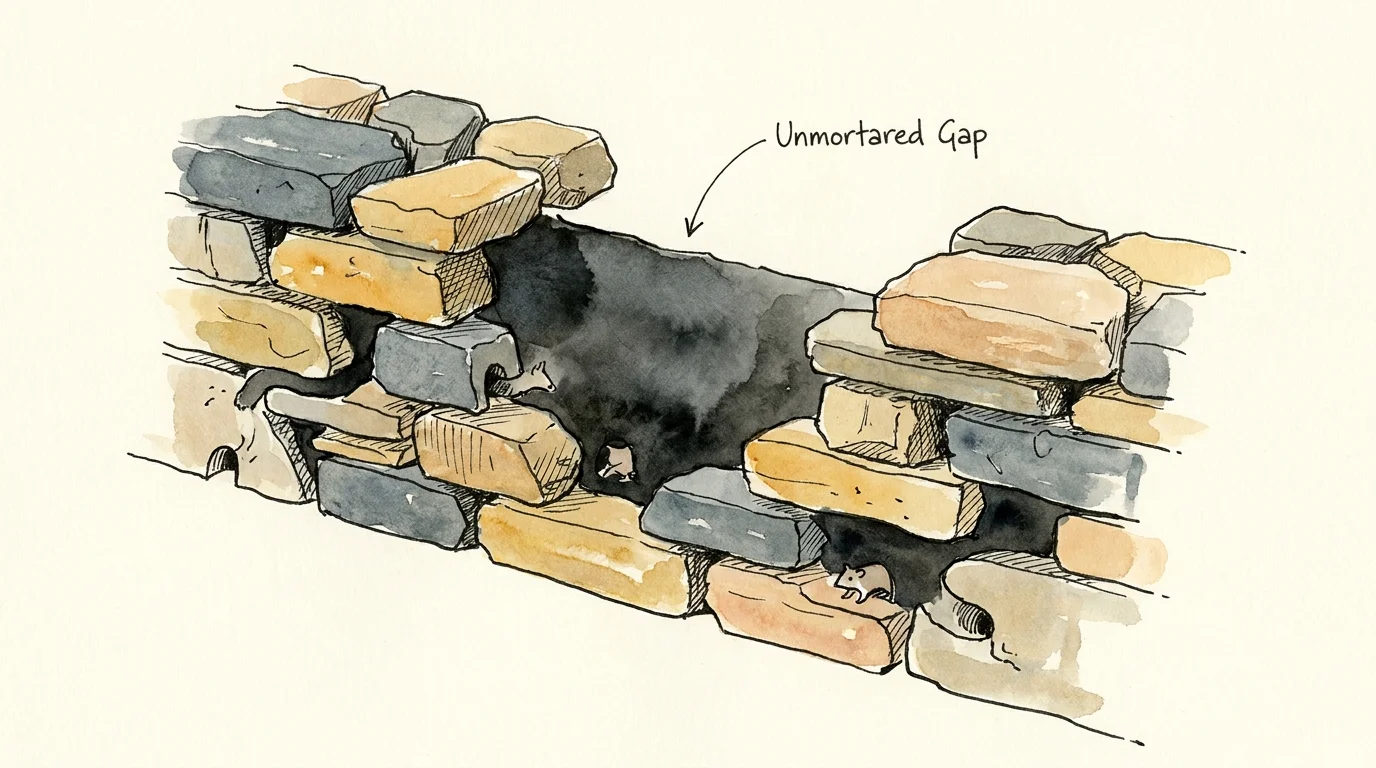
Using Loose Rock Walls Without Mortar
Hardscaping adds texture, structure, and visual interest to small-space gardens. Natural stone elements—such as stacked fieldstone retaining walls, loose boulder edgings, and decorative rock spills—are highly popular for their rustic aesthetic.
Unfortunately, these features frequently mimic the natural rocky outcroppings where snakes evolved to live, hunt, and breed.
Reptiles rely on their environment for thermoregulation, meaning they use external sources to manage their body heat. Rocks are incredibly efficient thermal masses; they absorb intense heat from the sun during the day and slowly radiate that warmth throughout the chilly night.
When you build a stone wall without mortar, you leave hundreds of deep, shadowy gaps between the irregular rocks. A snake will wedge itself into these crevices to warm its body on the heated stone while remaining completely protected from aerial predators.
You do not have to abandon your dream of a beautiful stone garden, but you must alter how the materials are assembled to eliminate the inviting gaps.
- Use masonry mortar: If you are building a new retaining wall, use mortar to bind the stones together. This creates a solid, impenetrable surface with no hollow cavities for pests to exploit.
- Pack the crevices: For existing loose-rock walls, vigorously pack coarse sand, crushed gravel, or smaller river stones into every open gap. Force the material deep into the wall to block access.
- Opt for solid blocks: When designing garden borders, choose solid, interlocking concrete landscape blocks rather than irregular fieldstones. The tight, engineered fit leaves zero room for hiding.
- Keep vegetation clear: Do not allow creeping vines or thick weeds to drape over your stone walls. The combination of warm rock and dense leafy cover creates an absolutely irresistible habitat.